
Category: Colors and pigments
About watercolors and pigments, I describe different watercolors: history, pigments and their painting properties.

Ultramarine (PB29)
The original ultramarine pigment was made from the blue mineral lazurite, found in lapis lazuli, a semi-precious rock that has been mined in the mountains of northern Afghanistan for more than 6,000 years. The…
Can You Trust the Name?
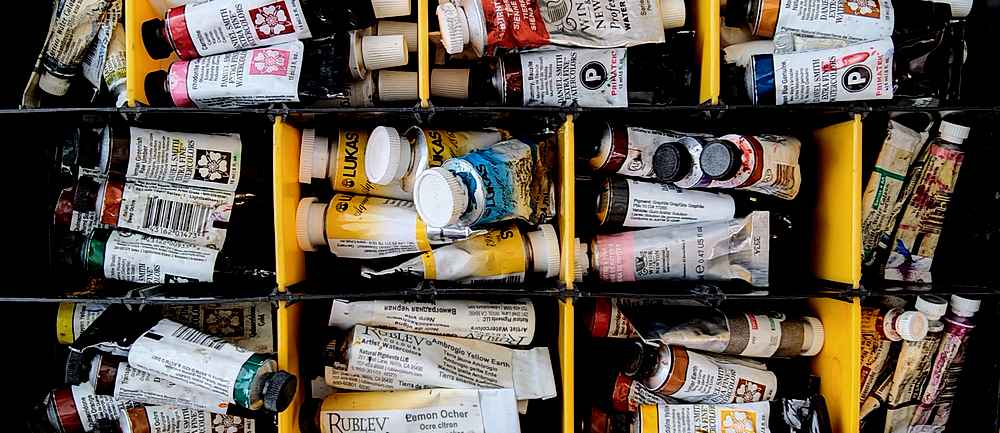
French Ultramarine is always French Ultramarine, isn’t it? And what about Aureolin, Viridian, and Cobalt Blue? Surely these classic colors are always what the label claims they are. Unfortunately, the name on the tube…
Take Care of Your Watercolor Tubes
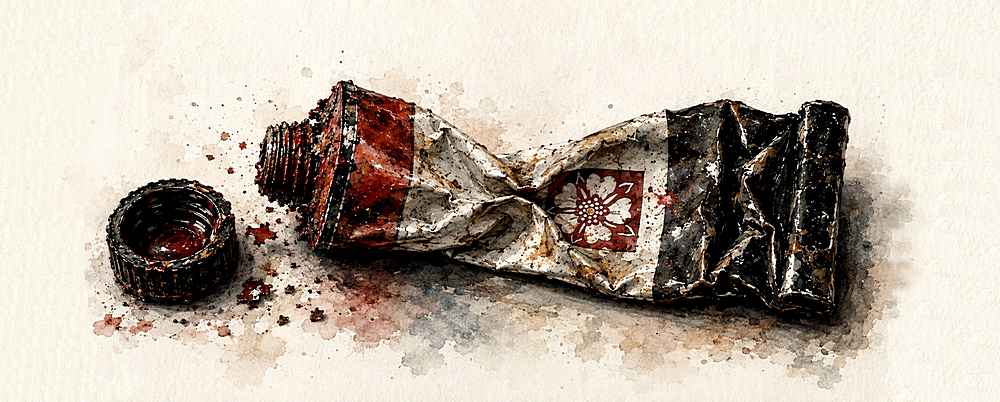
In my opinion, watercolor tubes are far superior to pans. That’s why I’m always pleased when a new student arrives at one of my workshops using tube colors. Sometimes, however, that pleasure quickly turns…
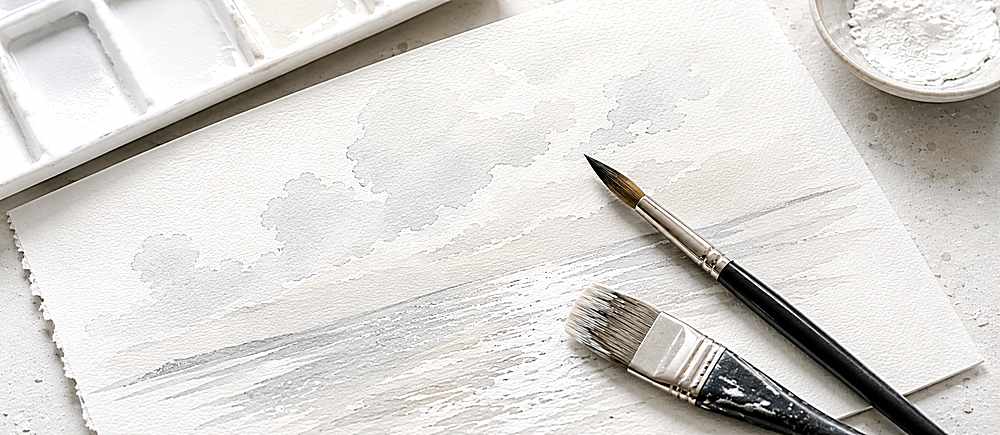
White Watercolor Paint
Modern watercolor artists primarily rely on the white of the paper, making white watercolor paint largely unnecessary. Artists of earlier generations thought much the same, although white paint was used more frequently a century…

Dioxazine violet (PV23)
This text is a rework from a previous post August 2020. Carbazole Dioxazine Violet PV23 (often referred to simply as Dioxazine Violet or Carbazole Violet) is a pigment with many different names. It’s easy…

Burnt Sienna
The text has been revised from an earlier version. Sienna is in its original form a yellow-brown earth color. If you heat up the natural sienna pigment, it becomes redder and In its original…
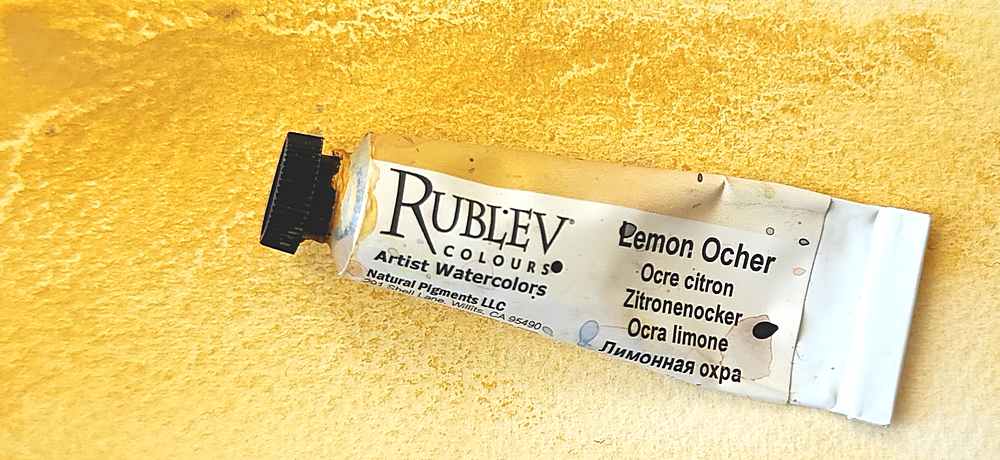
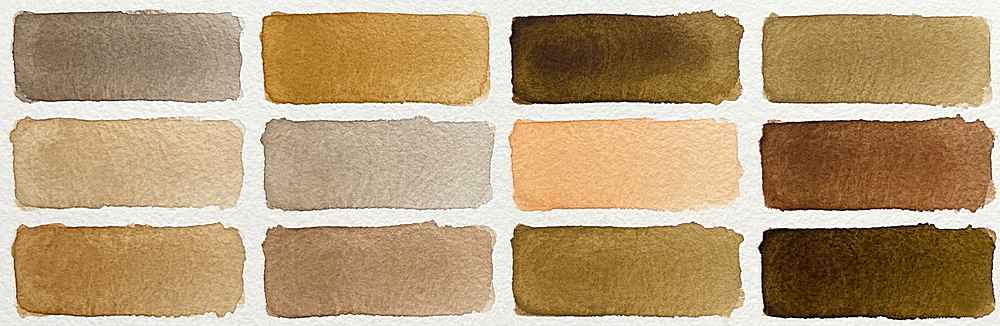
Why are earth colors so different?
The image above, the header image for this text, shows various swatches of raw umber. Earth colors often differ radically between manufacturers. Colors with the same name can look completely different depending on who…


