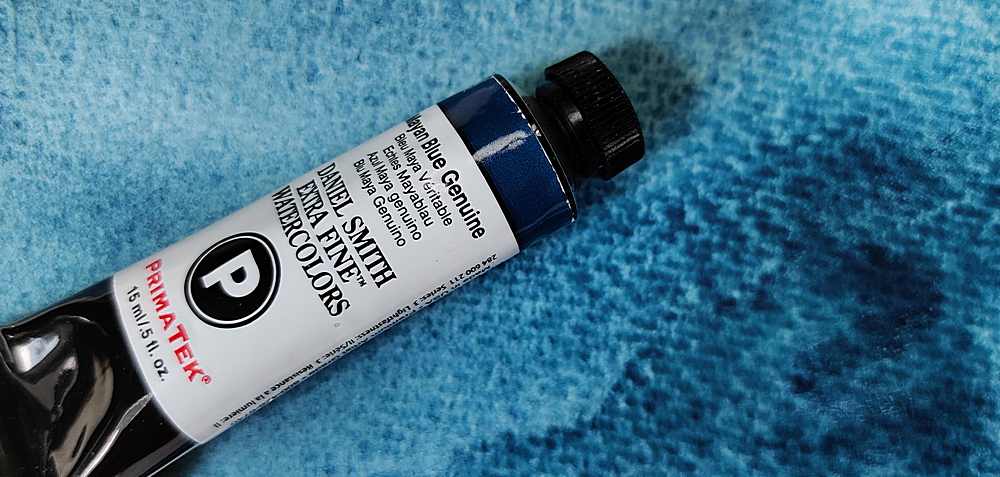
Indigo – NB1
Indigo is a dye that is extracted from more than 30 different species of the plant Indigofera, which is widely present in large parts of the world. It is from the green leaves that…
Indigo is a dye that is extracted from more than 30 different species of the plant Indigofera, which is widely present in large parts of the world. It is from the green leaves that…
Mayan yellow is one of several colors that have their roots in Mayan culture. Just like Mayan blue, the yellow color is produced, in a complicated process, from the indigo plant together with palygorskite….
Something you hardly associate with watercolor is graphite. Not to paint with, in any case. For the sketch for a watercolor, graphite is used in the form of a pencil, but there are actually…
Peach black or Vine black is a black color obtained from charred plant parts. The origin varies, some prefer to use old vines that were charred, others prefer stone fruit seeds such as peach…
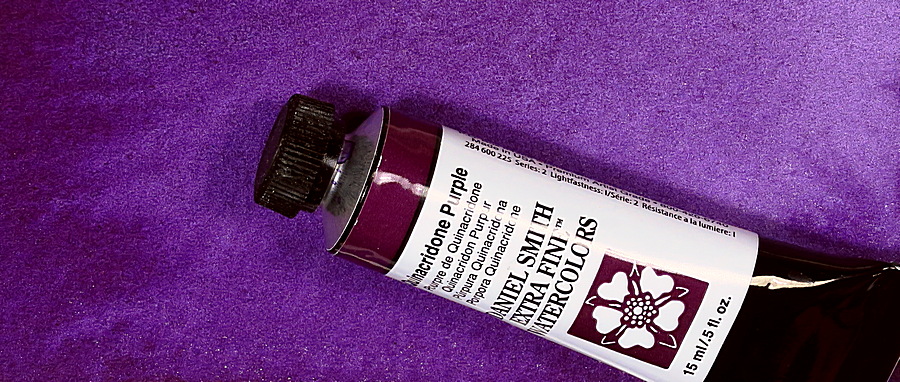
The color commonly referred to as Quinacridone Purple is a relatively new watercolor paint. The first one on the market was introduced by Daniel Smith in 2011. Following the initial introduction of this color,…
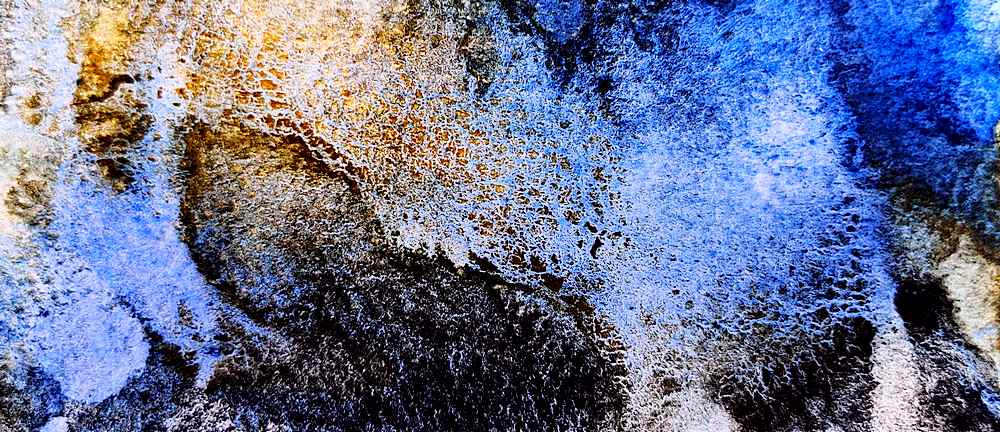
For most beginners, granulating paints are an unfamiliar concept. They are hardly colors that you are looking for and they are almost never included in ready-made watercolor boxes. In addition, they are often more…
The third and final color in Daniel Smith’s series of transparent and granulating mars browns discussed here is the yellow color. The other two are Transparent Red Oxide and Transparent Brown Oxide. Transparent Yellow…
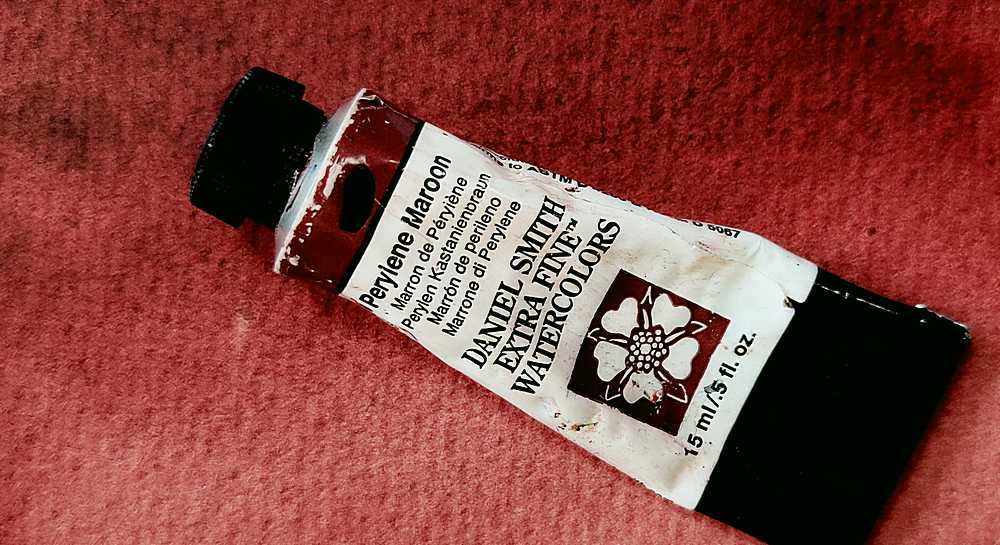
The pigment PR179 was created in 1957, it is a very intense, very durable, fairly staining and transparent red-brown dye. It is common as a watercolor paint, usually with the name Perylene Maroon. As…
People have long wondered how the Mayan people, thousands of years ago, could produce a blue color so resistant to light, moisture and other degrading factors that after a thousand years, or more, the…