Hahnemühle – Turner

 På Svenska
This is the second watercolour paper from Hahnemühle that I have recently painted on. The previous one, which I have written about, is Hahnemühle – The Collection, which has a soft sizing, while Turner is extremely softly sized.
Turner is only produced as 300 gsm (140 lb) cold-pressed paper. It is available as blocks in various sizes and as sheets in the sizes 33 × 48 cm (13 × 19 inches), 50 × 65 cm (20 × 26 inches), and 78 × 106 cm (31 × 42 inches), of which 50 × 65 cm is the most common. In other words, the paper has a rather limited range: nothing thicker or thinner than 300 gsm, and no other surfaces than cold-pressed.
Pricewise, Turner is very expensive. The sheets are produced in slightly smaller sizes than usual and cost a little more than other good papers. The higher price and the smaller sheet size makes the paper 20–30% more expensive than Arches or Saunders Waterford in Sweden and Europe, and up to 50% more expensive in the United States. The question then becomes: is it worth the extra cost?
Hahnemühle provides almost no information about the paper on its website. The only text about the paper is this:
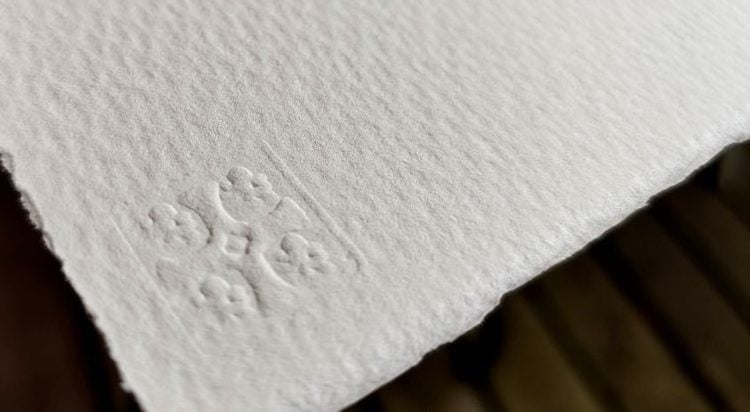
This high-quality watercolour paper, made from 100% cotton rag and produced on a cylinder mould machine, is natural white, acid-free, lightfast, and extremely resistant to ageing. The pads are glued and reinforced with gauze to ensure that the sheets remain flat when wet. All sheets contain the “Rooster” watermark and have genuine four-sided deckle edges. The smooth, slightly irregular surface structure is ideal for professional artists.
“Turner” is suitable for all wet painting techniques: watercolour, wash, gouache, tempera and acrylic.
Unfortunately, Hahnemühle is not the only manufacturer that provides very little information about its products. This is quite common, although Hahnemühle is among the worse in this respect. There is no information about the sizing, but this is what I have been able to determine: the paper has a light internal sizing using a synthetic size. It is not surface sized. The absence of surface sizing ought to make the paper somewhat cheaper than its competitors, but this is not the case.
The combination of no surface sizing and light internal sizing makes the paper highly absorbent. It behaves more like a very expensive blotting paper than a traditional watercolour paper. It also makes the surface extremely sensitive. Any kind of masking should be avoided—it will tear the paper surface when removed. One should also avoid rough painting methods and overly stiff brushes.
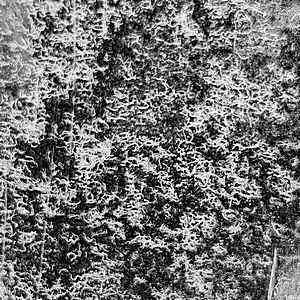
How soft a watercolor paper is sized can be tested with ordinary transparent tape. Attach a piece of tape to a watercolor paper, press a little so that the tape sticks well. Tear off the tape and transfer it to a black surface. The more white paper fibers that have come with the tape, the softer the paper is sized. Below are some tests with tape on soft sized papers.

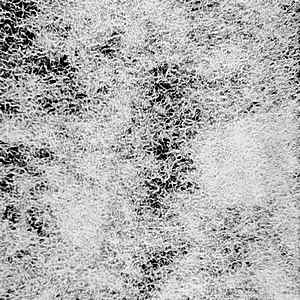
When I made the usual colour samples that I often prepare when testing papers, the pre-wetting test became streaky. The brush I used was a simple synthetic brush from da Vinci. Could it be that the paper is damaged by an ordinary but stiff synthetic brush? I made another test using a soft sable brush. That produced a smooth result without streaks, so perhaps ordinary synthetic brushes should be avoided when working on Turner.
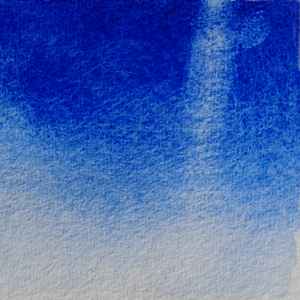

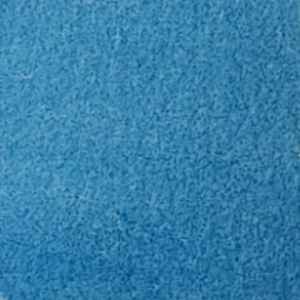
The surface of Turner is beautifully irregular. If the paper had been a little harder it would probably also have enhanced granulating pigments, but the water is absorbed so quickly that such patterns hardly have time to develop.
My first real experience with Turner came when I stretched my first sheet in preparation for a painting. I wiped about 1 cm around the edges of the paper with kitchen paper so that the tape would adhere better. When I did this, the paper tore slightly and left a trail of paper crumbs behind. That was the first indication of the softness of the paper.
The gummed tape did not adhere on any of the four sides. Of course, it could happen that I had been careless when applying the tape—but on all four sides? The same thing happened with the next sheet. I also tried not wiping the edges, in case the paper absorbed too much moisture from the tape, but that did not help either.
Since then I have learned to sacrifice a little more paper. If the tape covers more of the sheet, the risk of it coming loose is smaller. It should also be mentioned that gummed tape adheres well to dry paper; the fact that it refuses to stick to wet paper has to do with the properties of this particular paper.
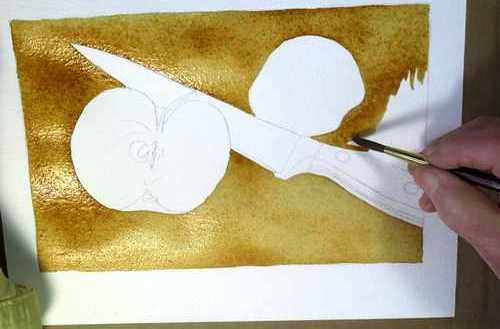
When I started painting, I was very surprised by how much the paper absorbs. All the paint is immediately taken in and the paper swells, buckles, and creates a very wavy surface. No paper I have used before has swollen and buckled this much. Even so, wet-in-wet works reasonably well on Hahnemühle Turner, although one sometimes finds oneself painting slightly uphill—or downhill.
Layering, however, is one of the paper’s better qualities. The paint dries quickly and adheres convincingly, so the technique works very well. This property also makes it difficult to lift dry paint from the paper.
Wet-in-wet works, but not quite as convincingly. The paint dries quickly, and unwanted drying marks can be difficult to avoid. Colours also tend to appear rather light and low in contrast on Hahnemühle Turner, something that is often characteristic of softly sized papers.
In short: Hahnemühle Turner is a paper that I will not buy again once I have used up the pack I purchased. It is almost impossible to stretch, it produces rather light paintings, and it leaves a faint white speckling over evenly painted areas. The paper also falls apart when masking or when handled roughly. All these, in my opinion rather unattractive qualities—and at a very high price—make the paper a poor purchase.
Name: Turner
Manufacturer: Hahnemühle
Manufacturing method: Mould-made
Material: 100% cotton
Sizing: Internal only (synthetic size)
Surface: Cold-pressed
Weight: 300 gsm
Format: Pads in various sizes and sheets in various sizes
Colour: Natural white
Manufacturer’s website:
https://www.hahnemuehle.com/en/artist-papers/watercolour/mould-made-watercolour/p/Product/show/16/353.html