Don’t write with a brush
December 11, 2025
 På Svenska
Why do almost all beginners paint a thin line using a bunch of tiny brushstrokes?
The answer is actually pretty obvious: we’re used to writing with a pen but not with a brush. When we write, the hand rests on the paper and the fingers do most of the work.
I think several of my students are getting a bit tired of me constantly pointing out that lines and edges should be painted with one single brushstroke. It’s something I remind them of far too often. Most people in my classes paint with a brush the same way they write with a pen.
When, for example, a vertical line is supposed to be painted, they place their hand right next to where the line will start. They make one small brushstroke, then another. When they can’t reach any farther without moving their hand, they shift it five centimeters (two inches) —and create two or three more tiny strokes. This gets repeated until the whole line is done. Larger areas are treated the same way. Often a beginner’s painting is full of this “writing technique.”
When you write with the brush—that is, when you steer it with your fingers and move your hand all the time—you end up with a kind of unintentional calligraphy that spreads through the whole painting. All the lines become a bit choppy and crooked. The same goes for the painted areas, which get those same uneven edges.
You can often tell from a painting whether the artist is right-handed or left-handed. It’s not very attractive when everything in a painting leans to one side. And the lines and edges don’t look good when they’re chopped up into tiny, jerky segments.
I know it’s hard to change a habit you’ve had your whole life. You’ve been writing for decades, and suddenly you pick up a brush and are expected to use an unfamiliar way of handling the tool. But that’s how it is—a brush is used differently than a pen.
The paintings below show what writing technique can look like when it gets really out of hand. All lines and edges are broken up into small, shaky strokes. Not a single line or shape is straight; even the round fruits look unnatural, with wobbly edges. All the artists are right-handed, so the paintings bend according to a right-handed brush movement.


Instead of using your fingers and wrist to steer the brush, you should move your entire arm. You move the whole arm and let your fingers stay more or less “locked.” Of course, this feels awkward for someone who isn’t used to it. It’s a technique that develops slowly over many years.
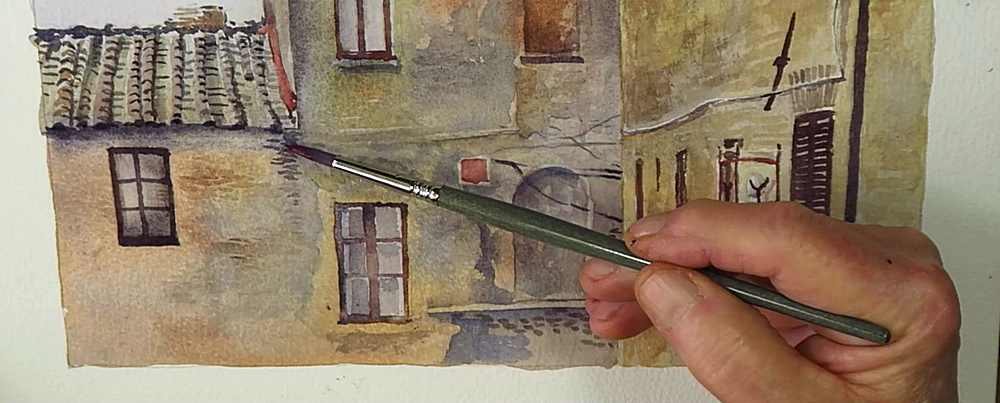
When you paint small, detailed areas, you can use your fingers to guide the brush. But all longer lines and edges should be made by moving the whole arm. The videos below, taken from older paintings, show how you can create clean lines by locking the fingers and letting the arm do the work.
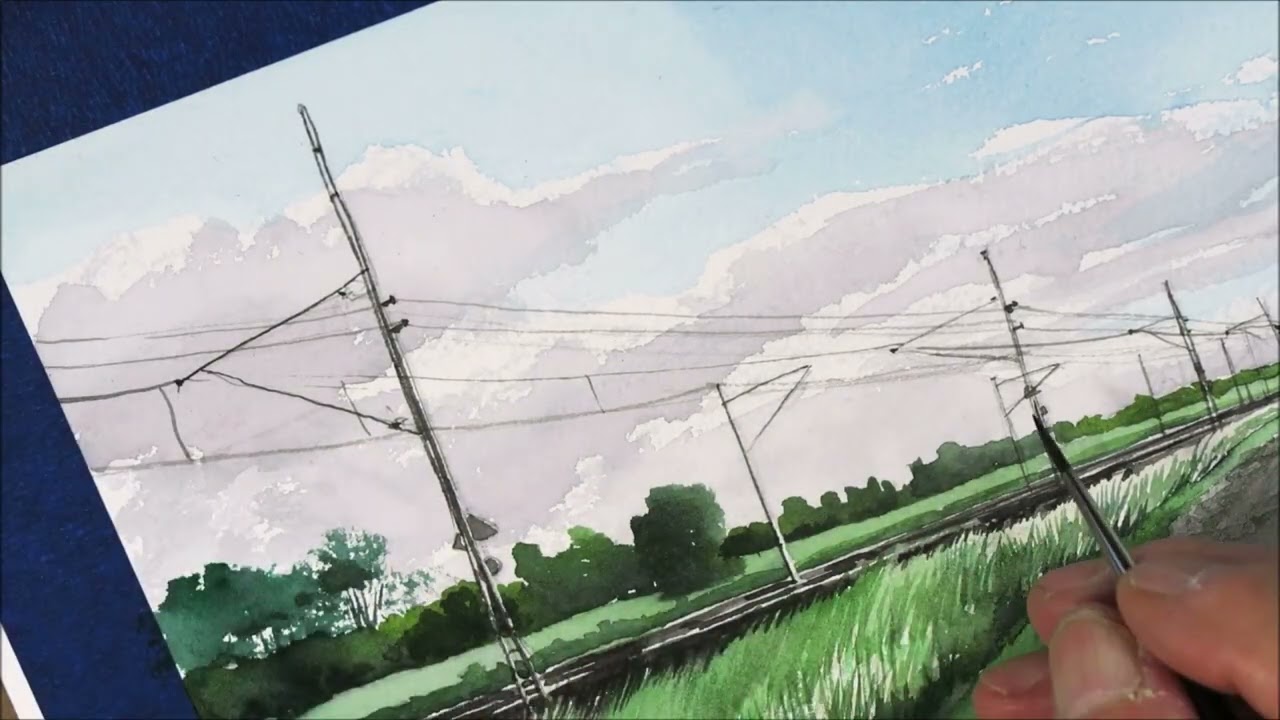
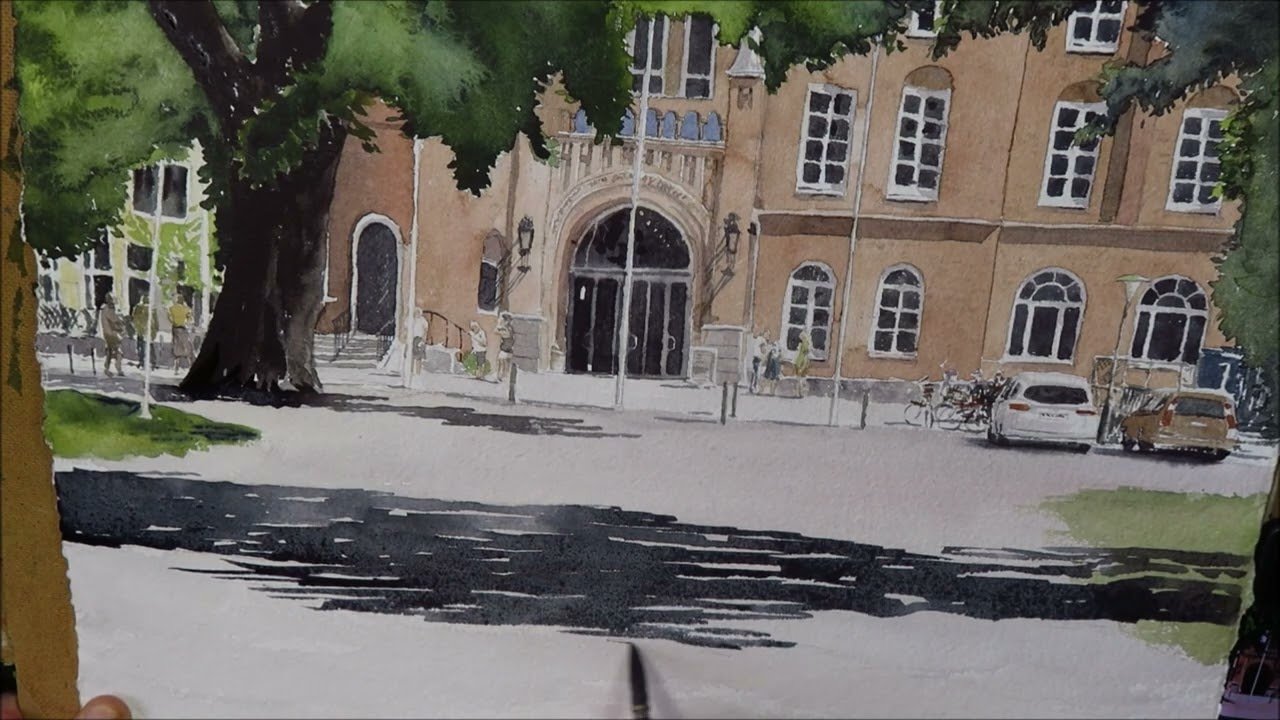

If you’re one of those who rely on writing technique, just try to remember to avoid it in your next painting. It doesn’t change overnight—you need to repeat this approach for years before it feels natural. But over time it will improve your painting dramatically, as long as you stay aware and work to avoid those choppy lines and edges.