Cerulean Blue (PB35, PB36)
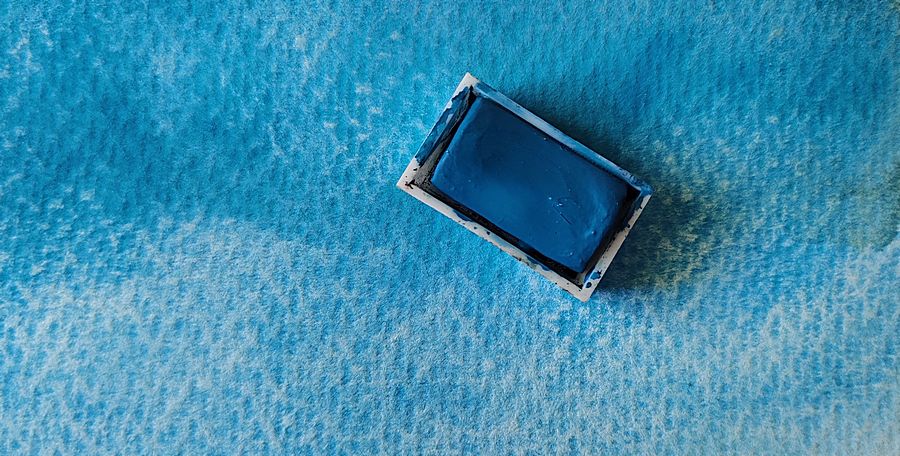
If you search for “Cölinblå” on Google, which is the traditional Swedish name for the color, you only get a few results, most from Riksantikvarieämbetet (The Swedish National Heritage Board), but if you change…

If you search for “Cölinblå” on Google, which is the traditional Swedish name for the color, you only get a few results, most from Riksantikvarieämbetet (The Swedish National Heritage Board), but if you change…
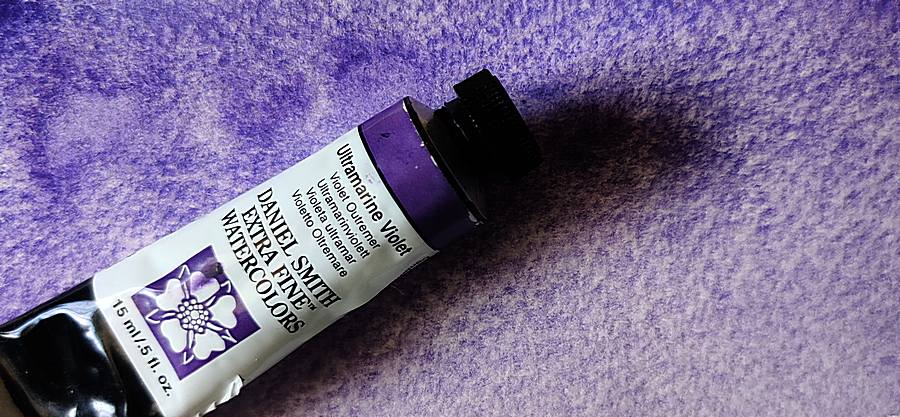
Ultramarine violet is a further development of French ultramarine. Take the French ultramarine pigment and mix it with ammonium chloride (same as salmiak salt), heat the mixture to 250 degrees Celsius. Let the results…
Isoindoline pigments are a group of modern dyes with shades from red to green-yellow, of which only the warm yellow PY139 is fairly common in watercolor. isoindoline yellow has an orange-yellow hue, is a…
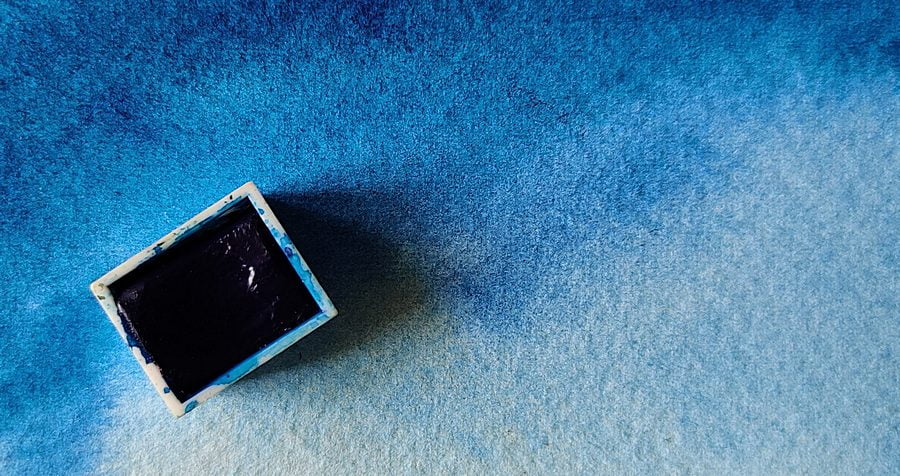
Phthalo blue is available in several variants. The most common are PB15:1 and PB15:3, PB15:1 is warmer than PB15:3 and is often called red shade while PB15:3 which is greenish is often called green…
Quinacridone red is something as unusual as a transparent warm red color. The color has very good mixing properties and it is possible to successfully mix it towards both orange and violet. The paint…
The dye PB60 was developed by the German chemical company BASF, and came onto the market in 1901, but it was not until the 1950s that it was used as a pigment in artists’…
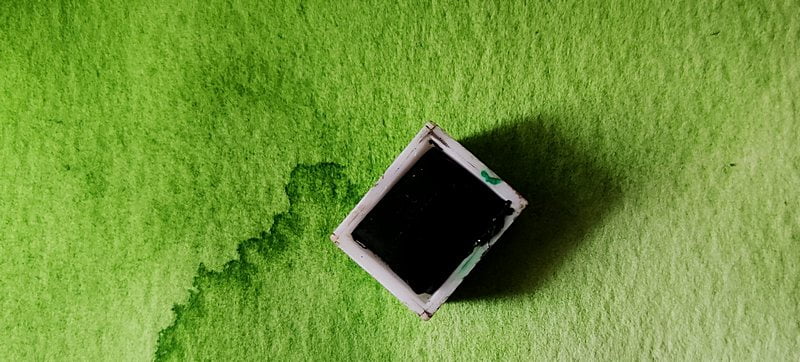
Sap green is another of all traditional colors that today is just an imitation. The original color Sap green was made from plant juices that were squeezed from, usually, unripe buckthorn berries, but also…
The cobalt violet we know today was first manufactured in 1859 by the French chemist Salvetat, the manufacturing process is costly which made the pigment expensive, that it is also very weak, which can…