Wet on wet – An exercise for beginners
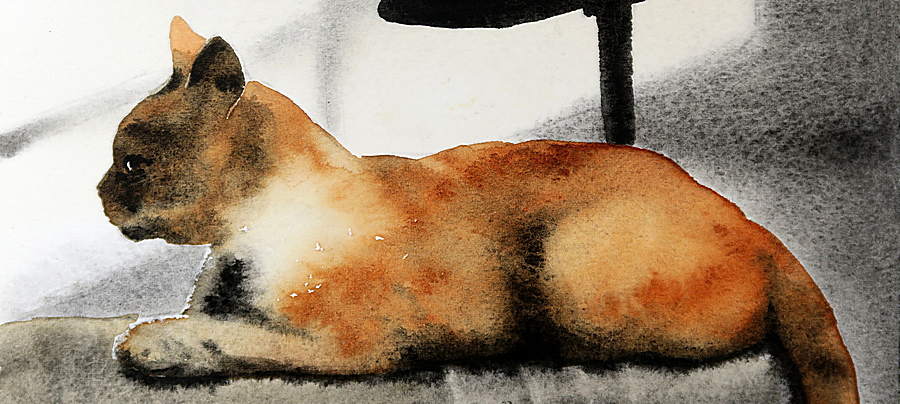
This small exercise is the first my students get to do in wet on wet technique. It is intended to create an understanding of how the technique works. Wet on wet means painting on…

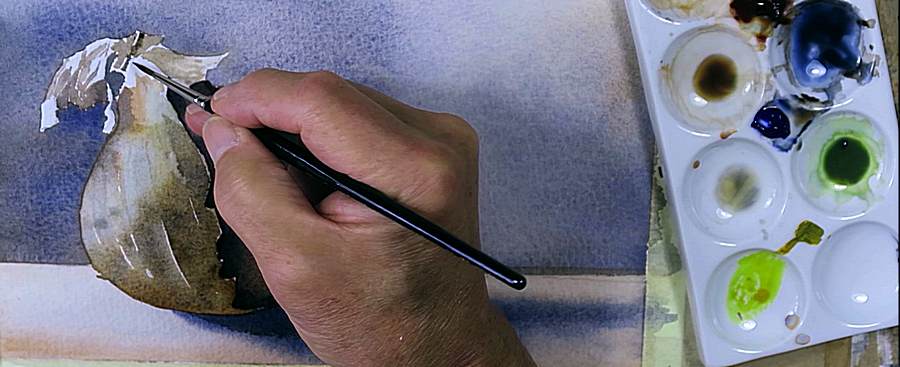
This small exercise is the first my students get to do in wet on wet technique. It is intended to create an understanding of how the technique works. Wet on wet means painting on…
This exercise is impossible to place as easy or difficult. It depends on a lot of different things if it is one or the other: The right paper is essential, the right colors are…
In my experience, the vast majority of people clean their watercolor brushes after finishing painting by rinsing them in water. The paint is water-soluble and most of it disappears by rinsing in water, but…
Here is a fairly simple exercise painted with only three colors. You can use any colors that suit the painting, I used ivory black, phthalo blue and burnt sienna. The blue color can be…
Saunders Waterford from St Cuthberts Mill is the watercolor paper I use the most. If I were to judge what I have been painting on all these years, than probably half of my paintings…
The result of this exercise may not be art, but it is still a good exercise in wet on wet technique and mixing color. Use French ultramarine and some orange-brown color, I chose burnt…
Traditionally, there are many different shades of green earth, all different depending on where they come from. But two sources of green earth are particularly well known, namely Bohemia and Verona. Verona green in…
Magnani paper mill is one of Europe’s oldest, it was founded in 1404. It is located in Italy, between Pisa and Florence, in a small village called Pescia. It is a paper mill with…
It is often heard that black paint should be avoided, or even that it is forbidden in watercolor painting. I can understand why, a black detail. in a painting that does not contain any…