Beginner’s mistakes 1
I have been holding watercolor courses for almost 40 years and have seen many beginners paint watercolor during all this time. I will mention some very common mistakes that beginners make, so that you…


I have been holding watercolor courses for almost 40 years and have seen many beginners paint watercolor during all this time. I will mention some very common mistakes that beginners make, so that you…
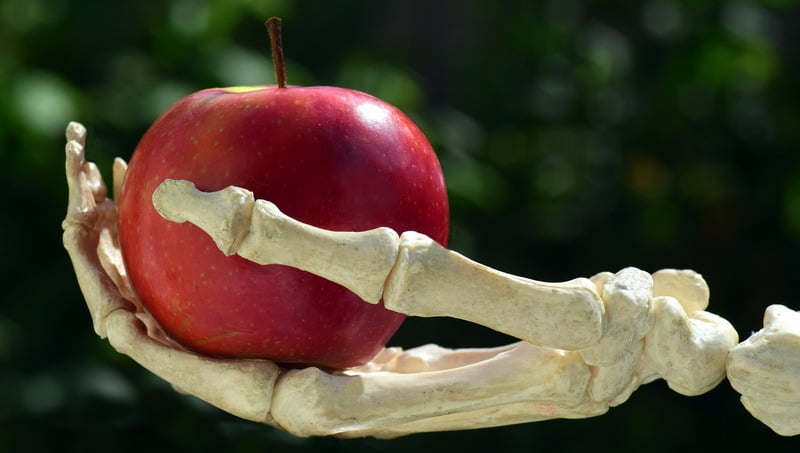
“WHAT! there is cadmium in cadmium red? ” exclaimed once a student when we talked about colors. Are you also one of those who are not aware that there are toxic colors. Cadmium is…
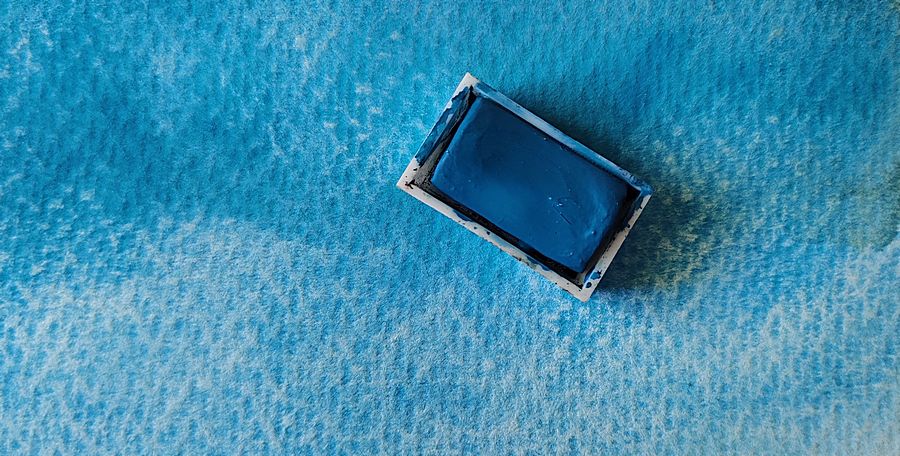
If you search for “Cölinblå” on Google, which is the traditional Swedish name for the color, you only get a few results, most from Riksantikvarieämbetet (The Swedish National Heritage Board), but if you change…
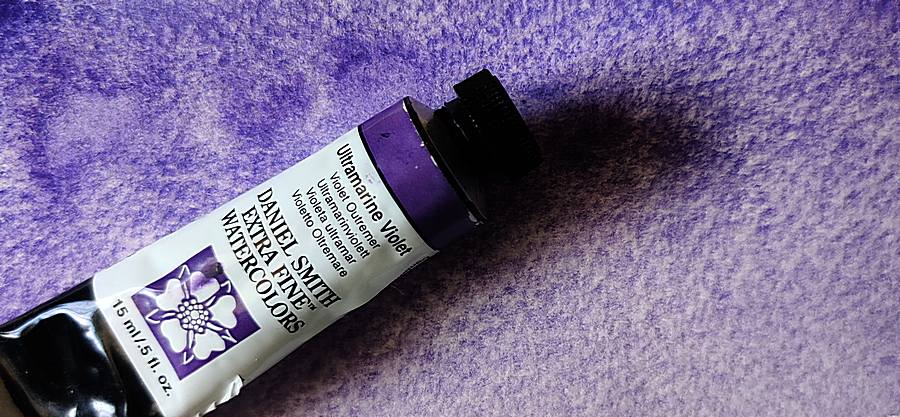
Ultramarine violet is a further development of French ultramarine. Take the French ultramarine pigment and mix it with ammonium chloride (same as salmiak salt), heat the mixture to 250 degrees Celsius. Let the results…
This painting is done with phthalo blue, burnt sienna, nickel dioxin yellow and quinacridone rose. The blue color can be replaced with e.g. Prussian blue or any other modern synthetic blue color. The brown…
I received a set of watercolor brushes from Zen Art supplies sent to me for evaluation. I thought I might as well write a review on the blog of these brushes. They call the…
Isoindoline pigments are a group of modern dyes with shades from red to green-yellow, of which only the warm yellow PY139 is fairly common in watercolor. isoindoline yellow has an orange-yellow hue, is a…
Cobalt blue, burnt sienna, quinacridone rose and Nickel Dioxine Yellow (a warm yellow) This motif is from just outside Kävlinge on a beautiful autumn day when the trees start to turn brown. The photo…